
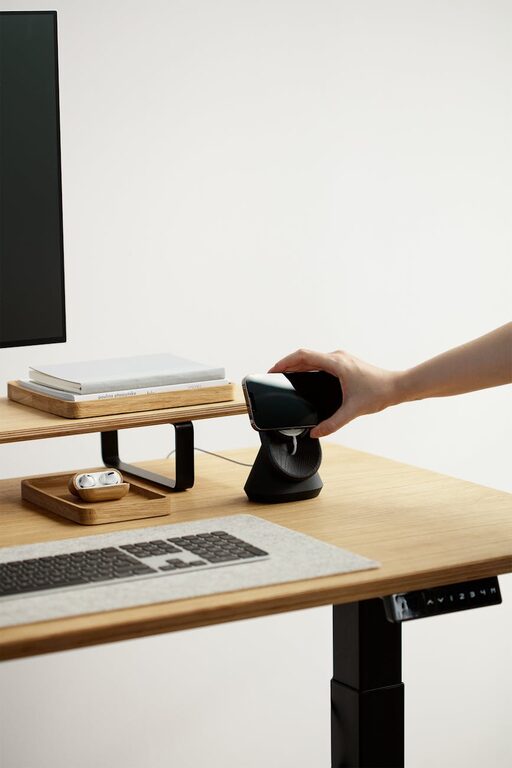
Creating a relaxing home workspace is essential for staying productive and maintaining a healthy work-life balance. Whether you work remotely full-time or occasionally bring work home, a calm and organized environment can help reduce stress and improve focus. In this guide, we’ll explore practical steps to transform any corner of your home into a soothing and efficient workspace.
Why a Relaxing Workspace Matters
A cluttered or uncomfortable workspace can cause distractions, reduce motivation, and increase stress. By designing a calming and well-organized area, you create an environment that supports concentration and makes work feel less like a chore. When your workspace feels inviting and pleasant, you’re more likely to settle in and be productive.
—
Step 1: Choose the Right Location
Find a Quiet Spot
Select a space that minimizes noise and foot traffic. Ideally, a separate room or a quiet corner away from busy household areas works best. This helps you maintain focus and sets clear physical boundaries between work and leisure areas.
Consider Natural Light
Try to position your desk near a window to take advantage of natural light. Sunlight boosts mood and energy, which can positively impact your workday. If natural light isn’t available, invest in good quality daylight bulbs that mimic natural light.
—
Step 2: Declutter and Organize
Clear Your Surface
A clean desk fosters a clear mind. Remove unnecessary items and keep only essentials like your computer, notebook, and a few personal items that motivate you.
Use Storage Solutions
Keep supplies, documents, and gadgets organized in drawers, shelves, or storage boxes. Label containers to make it easy to find things quickly without creating a mess.
Cable Management
Tidy up cables using clips, sleeves, or under-desk trays to prevent distractions and maintain a neat area.
—
Step 3: Choose Comfortable and Functional Furniture
Invest in an Ergonomic Chair
Comfort is key to staying relaxed during long work sessions. An ergonomic chair supports your back and encourages good posture, preventing fatigue and strain.
Select a Suitable Desk
Pick a desk that fits your space and your work style. Ensure it’s the right height to keep your arms comfortable while typing. If possible, consider adjustable desks or standing desks for flexibility.
—
Step 4: Personalize Your Space for Calm
Add Soothing Colors
Soft, neutral tones like blues, greens, or pastels create a calming atmosphere. Avoid overly bright or harsh colors that can feel overstimulating.
Bring in Nature
Plants add life and improve air quality. Even small potted plants or a vase of fresh flowers can boost your mood.
Include Relaxing Elements
Incorporate items like a small water fountain, a diffuser with calming scents (like lavender or eucalyptus), or artwork that inspires and relaxes you.
—
Step 5: Optimize Lighting
Layer Your Lighting
Combine overhead lights with desk lamps to reduce eye strain. Adjustable lamps allow you to direct light where needed.
Use Warm Light Settings
Warm white LEDs create cozy and soothing light that’s easy on the eyes, especially during late hours.
—
Step 6: Set Boundaries and Reduce Distractions
Create Routine and Rules
Define your working hours and communicate your schedule with family or housemates to avoid interruptions.
Limit Digital Distractions
Turn off non-essential notifications and use apps that block distracting websites during work times.
—
Step 7: Incorporate Break Zones
If space allows, create a small area nearby where you can step away from your desk to relax. This might include a comfortable chair with a favorite book or a spot for stretching and short movement breaks.
—
Final Thoughts
Designing a relaxing home workspace doesn’t require a big budget or a dedicated room. With thoughtful choices around location, organization, furniture, and personal touches, you can create a peaceful environment that supports your productivity and wellbeing. Remember, the goal is to build a space that feels welcoming and energizing so you can enjoy your workdays at home.
—
Feel free to experiment and adjust your workspace as your needs change. A little effort goes a long way in creating a home office where both your mind and body can thrive.