
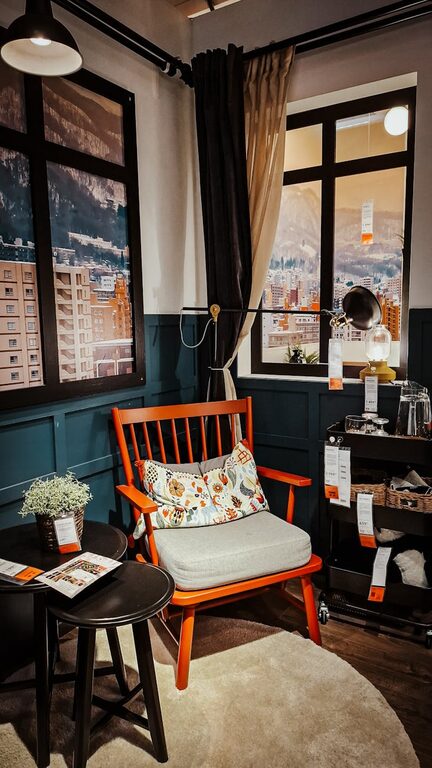
Creating a welcoming and comfortable atmosphere at home often begins with the right lighting. Whether you’re relaxing, working, or entertaining, the quality and type of lighting can greatly affect your mood and productivity. Choosing comfortable home lighting is not just about brightness; it’s about creating the perfect balance that suits your lifestyle and enhances your interior space.
In this post, we’ll explore useful tips for selecting lighting that’s both comfortable and functional throughout your home.
Understanding Different Types of Home Lighting
Before diving into specific tips, it’s helpful to know the three main types of home lighting:
– Ambient Lighting: The general, overall light that fills a room. It often comes from ceiling fixtures, recessed lights, or chandeliers.
– Task Lighting: Focused light designed to illuminate specific activities like reading, cooking, or working at a desk. Examples include desk lamps, under-cabinet lights, and pendant lights.
– Accent Lighting: Used to highlight certain features or create mood, like spotlights on artwork or LED strips under shelves.
By combining these lighting layers appropriately, you can create a balanced and inviting environment that feels comfortable all day long.
1. Consider the Color Temperature
Color temperature is measured in Kelvin (K) and refers to the hue of the light emitted by a bulb. It plays a major role in the comfort level of lighting.
– Warm White (2700K–3000K): Produces a soft, yellowish light similar to incandescent bulbs. Ideal for living rooms, bedrooms, and dining areas where relaxation is key.
– Neutral White (3500K–4500K): Has a balanced, white light good for kitchens, bathrooms, and workspaces.
– Cool White (5000K–6500K): Emits bright, bluish light that resembles daylight. Suitable for task-oriented spaces like garages or home offices needing maximum focus.
Choosing the right color temperature helps reduce eye strain and sets the right mood. For most living areas, warm to neutral white light is comfortable and cozy.
2. Opt for Adjustable Lighting
Comfortable lighting isn’t always about bright or dim—it’s about flexibility.
– Dimmer Switches: Installing dimmers allows you to adjust brightness based on time of day, activity, or mood. This adaptability enhances comfort and saves energy.
– Smart Lighting: Modern smart bulbs can change brightness and color temperature through apps or voice commands, letting you customize your lighting for different occasions effortlessly.
Adjustable lighting is an excellent way to bring comfort and convenience to your home.
3. Choose Bulbs with Good Quality Light
Not all bulbs offer the same comfort level despite similar brightness.
– Look for High CRI (Color Rendering Index): A high CRI (above 80) means the light displays colors more naturally and pleasantly. This improves visual comfort, especially in areas like kitchens and bathrooms.
– Avoid Flicker and Buzz: Flickering or buzzing lights strain your eyes and can cause headaches. Opt for bulbs and fixtures known for stable, flicker-free operation.
Selecting quality bulbs ensures your lighting supports a comfortable environment.
4. Match Lighting to Room Function
Each room has unique lighting needs depending on its purpose.
– Living Rooms: Use a mix of ambient and accent lighting with warm tones. Consider lamps and wall sconces for soft light.
– Bedrooms: Prioritize warm, dimmable light to promote relaxation. Bedside lamps with adjustable brightness are great for reading.
– Kitchens: Bright, neutral white task lighting over counters combined with general ambient light ensures safety and clarity.
– Home Offices: Bright, cool white task lighting avoids eye strain during focused work.
– Bathrooms: Balanced lighting around mirrors, often with neutral white bulbs, helps with grooming tasks.
Tailoring your lighting choices to room function enhances both comfort and usability.
5. Pay Attention to Fixture Placement
Where you put your lights matters for comfort and visual appeal.
– Avoid placing bright task lighting directly above your eyes to reduce glare.
– Use multiple small light sources instead of one large overhead fixture for a softer, more balanced light.
– Position accent lights to highlight architectural features or artworks without overwhelming the space.
Thoughtful fixture placement helps create layers of light that feel natural and comfortable.
6. Incorporate Natural Light
Natural daylight is the most comfortable form of light and affects our mood and wellbeing positively.
– Maximize window exposure by using sheer curtains or blinds.
– Use mirrors to reflect daylight deeper into rooms.
– Combine natural light with artificial lighting for a pleasant and balanced atmosphere.
If you can enhance natural light in your home, your artificial lighting requirements will be less demanding, creating a more comfortable environment.
7. Choose Lighting Style that Complements Your Decor
While comfort is the priority, lighting fixtures also contribute to your home’s style.
– Select fixtures that harmonize with your decor style, whether modern, rustic, minimalist, or traditional.
– Materials, shapes, and finishes influence how light disperses and the overall ambiance.
– Stylish fixtures encourage you to appreciate your lighting setup, enhancing emotional comfort.
Balancing aesthetics and function ensures your lighting feels right for you.
—
Final Thoughts
Choosing comfortable home lighting is about finding the right combination of light quality, style, and control. By understanding your space, activities, and preferences, you can select lighting that enhances your home’s atmosphere and your wellbeing.
Remember to mix lighting types, consider color temperature, and prioritize adjustable and quality fixtures. With attention to detail and a thoughtful approach, your home lighting can become a seamless part of your daily comfort.
Feel free to share your favorite lighting tips or ask questions in the comments below!